

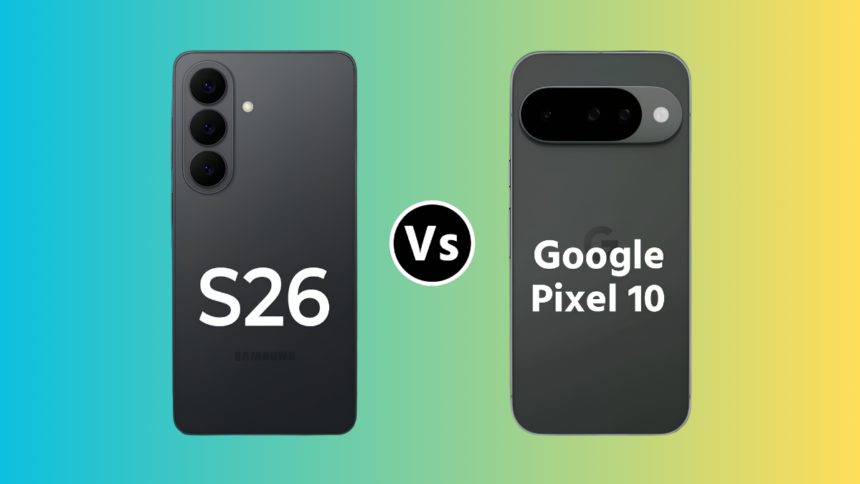
Quick answer: Buy the Galaxy S26 if you want top Snapdragon performance, Samsung’s ecosystem, and versatile zoom. Buy the Pixel 10 if you want cleaner Android, Tensor G5 AI features, Qi2 wireless charging built in, and a $100 lower starting price. Neither phone is objectively better , it comes down to what you value most.
The 2026 Android flagship battle is more interesting than it has been in years. Samsung arrived in February with the Galaxy S26, doubling its base storage and pushing Galaxy AI deeper into everyday interactions. Google arrived seven months earlier with the Pixel 10, bringing the first Qi2 magnets on any Android phone, a telephoto camera on the base model for the first time, and the Tensor G5 chip on TSMC’s 3nm process.
These are two phones with fundamentally different philosophies: Samsung bets on Snapdragon muscle, ecosystem depth, and hardware-plus-AI; Google bets on software intelligence, clean Android, and computational photography. If you are deciding between them, here is exactly what you need to know.
Design and Build
Samsung Galaxy S26
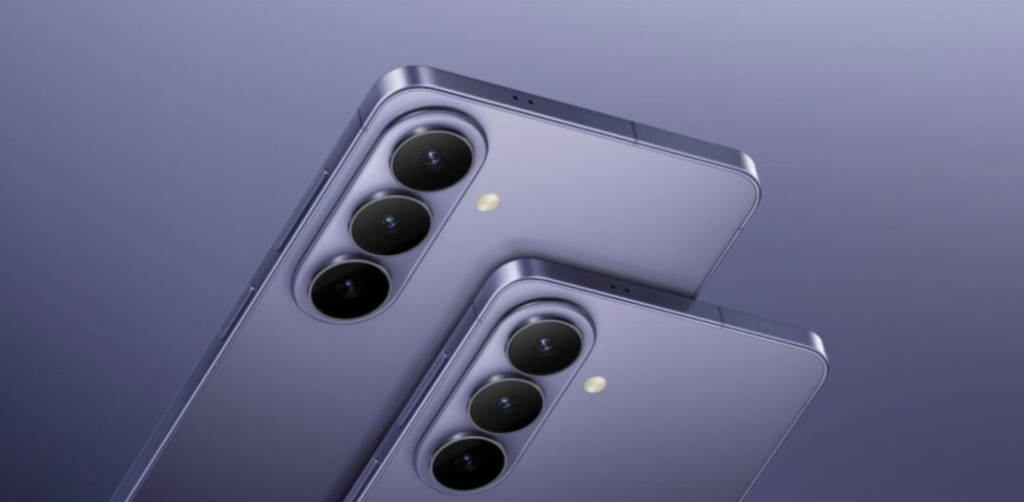
- Flat 6.3-inch form factor, 7.2mm thick
- Samsung’s slimmest standard Galaxy S model to date
- Unified camera plateau across the S26 lineup
- Gorilla Glass Victus 3 on front and rear
- Aluminum frame, IP68 water and dust resistance
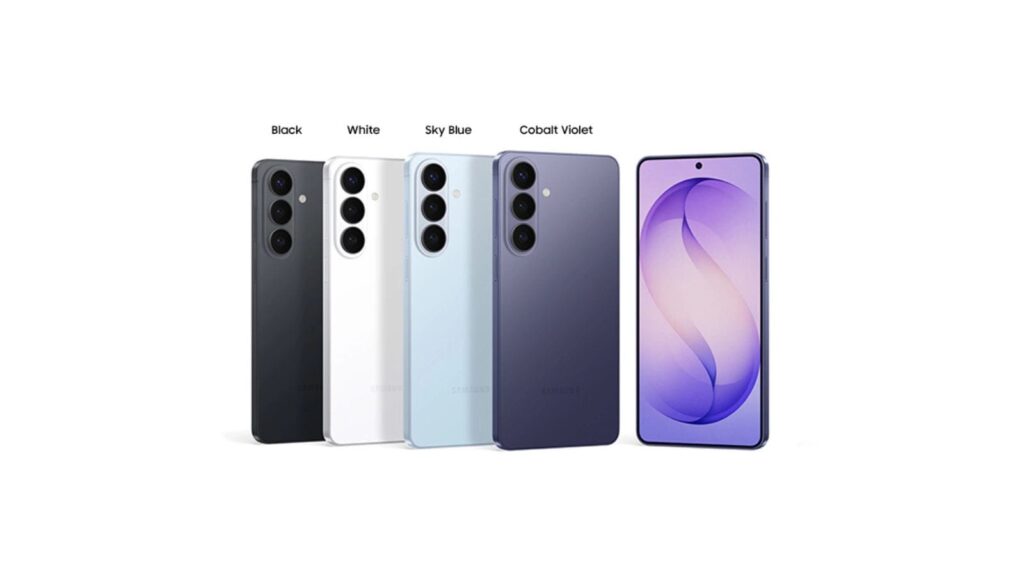
- Colors: Cobalt Violet, Sky Blue, White, Black (and Pink Gold and Silver Shadow exclusive to Samsung.com)
- No Qi2 magnets built in. Samsung confirmed Qi2 support requires a compatible case
Google Pixel 10
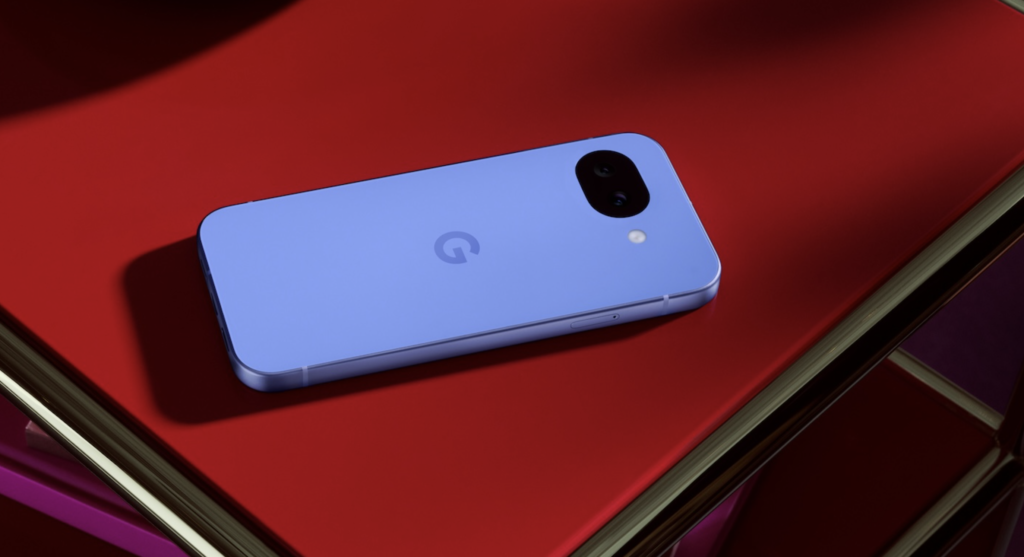
- 6.3-inch, 8.6mm thick, slightly thicker than Pixel 9
- Familiar Pixel camera bar design with refined edges
- Gorilla Glass Victus 2 on front and rear
- Satin aluminum frame, IP68 rated
- Colors: Indigo, Lemongrass, Frost, Obsidian
- First Android phone with built-in Qi2 Pixelsnap magnets, compatible with MagSafe accessories and Google’s own Pixelsnap accessory line
- Slightly heavier at 204g due to larger battery and built-in magnets
Tie: The S26 is slimmer and lighter. The Pixel 10 has a practical edge with Qi2 built in and does not need a case for magnetic accessories. Choose based on whether you care more about build thinness or accessory ecosystem.
Display
Both phones carry a 6.3-inch screen, so screen real estate is identical. The difference is in panel tuning and brightness.
Samsung Galaxy S26
- 6.3-inch flat AMOLED (Dynamic AMOLED 2X)
- FHD+ resolution (2340 x 1080)
- 1-120Hz adaptive refresh rate
- Peak brightness: 2,600 nits
- Samsung’s class-leading AMOLED color reproduction with deep blacks and vivid saturation
- Gorilla Glass Victus 3 protection
- Note: FHD+ only on standard model. QHD+ is reserved for S26 Ultra
Google Pixel 10
- 6.3-inch OLED
- FHD+ resolution (2424 x 1080)
- 1-120Hz adaptive refresh rate
- Google’s Actua display with tuned color science
- Quoted 30+ hours battery, partly due to display efficiency
- Gorilla Glass Victus 2 protection
Edge: Samsung S26. Samsung’s Dynamic AMOLED 2X panel with 2,600 nit peak brightness is widely considered class-leading. Both phones use FHD+ at the base level, but Samsung’s color reproduction and outdoor visibility have a consistent edge in independent display tests.
Performance and Chipset
Snapdragon 8 Elite Gen 5 (S26)
- 19% CPU improvement over prior generation
- 39% NPU boost for AI and machine learning tasks
- 24% GPU performance improvement
- Ray tracing supported across the S26 series
- Improved vapor chamber cooling
- Consistent sustained performance under load
- Used in S26 and S26+ in North America, China, and Japan. Other markets receive the Exynos 2600
Google Tensor G5 (Pixel 10)
- TSMC N3E 3nm process, the first Tensor chip not built on Exynos
- 34% CPU boost over Tensor G4
- 60% TPU gain for AI tasks
- New dedicated image signal processor (ISP)
- Daily tasks feel snappy and responsive
- Known throttling issue under sustained load: drops to 28% of peak performance in stress tests (GSMArena verified)
- Overheating issue from prior Tensor chips significantly improved
Clear winner: Samsung S26. Snapdragon 8 Elite Gen 5 outperforms Tensor G5 in raw benchmarks and sustained load scenarios. The Tensor G5 throttling to 28% of peak under stress is a documented limitation verified by GSMArena. For gaming, video editing, and heavy multitasking, the S26 is significantly more capable. For typical daily use, both feel fast enough.
Camera System
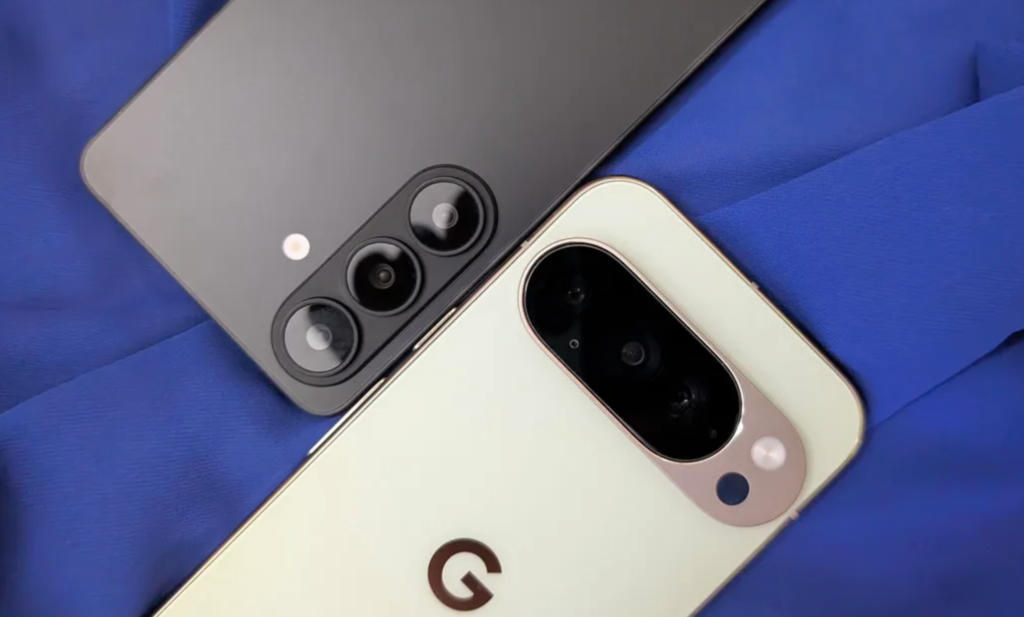
Samsung Galaxy S26
- 50MP main + 12MP ultrawide + 10MP telephoto (3x optical)
- Camera hardware unchanged from Galaxy S25
- Software upgrades: Nightography Video for AI-enhanced low-light video
- Super Steady Film: horizon-locking video stabilization
- Creative Studio and Photo Assist with written prompt editing
- Strong zoom versatility with 3x optical and digital extension
Google Pixel 10
- 48MP f/1.7 main + 13MP ultrawide + 10.8MP telephoto (5x optical)
- First ever telephoto on a base Pixel model
- Tensor G5’s new dedicated ISP improves image processing
- Auto Best Take, Auto Unblur, Conversational Photo Editing via Gemini
- Camera Coach: Gemini-powered real-time framing guidance
- Wider f/1.7 aperture advantage in low-light vs. S26’s f/1.8
Edge: Google Pixel 10. The Pixel 10 wins on telephoto reach with 5x optical vs. the S26’s 3x. Its wider f/1.7 aperture gives a slight edge in low-light capture. Pixel’s computational photography software is consistently praised in independent tests for natural results. Samsung counters with more versatile AI video tools, but Pixel’s still photography quality has the stronger track record at this price.
AI Features
Galaxy AI (Samsung)
- Now Nudge: contextual suggestions based on what is on screen. Recognizes events, photos, and calendar items to surface relevant actions
- Now Brief: personalized routines and reminders based on on-device behavior and preferences
- Personal Data Engine: user choice between on-device or cloud AI processing
- Knox Vault for hardware-level privacy protection
- Photo Assist with written prompt editing in 41 languages
- Creative Studio for generative image editing
- Natural language Bixby for device settings and searches
Google Gemini (Pixel 10)
- Magic Cue: contextual suggestions based on screen content. Reviewers note it is hit-or-miss in reliability
- Camera Coach: Gemini-powered live framing guidance during photo taking
- Conversational Photo Editing: describe edits in natural language
- Ask Photos: conversational AI for searching and editing your photo library
- Material 3 Expressive UI with Android 16 deep Gemini integration
- Google AI Pro plan (one year free) included with Pixel 10 Pro models, not base Pixel 10
Tie, different strengths: Samsung’s Galaxy AI is broader in scope and more deeply integrated with the hardware ecosystem. Google’s Gemini integration is more conversational and better suited to on-device AI tasks it was specifically trained for. Samsung’s Photo Assist and Now Nudge are more polished and reliable in practice. Google’s Magic Cue is the weaker link, with reviewers noting inconsistency.
Software and Ecosystem
Both phones ship with Android 16 out of the box. The experience diverges significantly from there.
Samsung One UI 8.5
- Feature-rich interface with deep customization
- Strong ecosystem: Galaxy Watch, Galaxy Buds, Galaxy Tab, SmartThings
- Samsung DeX for desktop mode
- Knox security for enterprise users
- Some pre-installed apps considered bloat by users
- 7 major Android upgrades guaranteed
- Samsung Care+ service available globally
Google Stock Android 16
- Clean stock Android with no bloat
- First to receive Android updates every month
- Tighter Google services integration (Maps, Assistant, Photos)
- Family Link child safety features deeply built in
- 7 major Android upgrades, now matched by S26 in 2026
- Material 3 Expressive UI is the best-looking Android skin available
- Satellite SOS emergency connectivity
Edge: Pixel 10 for software purity. Stock Android with no bloat, faster monthly security patches, and Gemini deeply integrated makes the Pixel 10 the cleaner software experience. Samsung’s One UI is powerful but takes adjustment, especially if coming from a non-Samsung phone. If ecosystem depth matters more, Samsung pulls ahead.
Battery Life and Charging
Samsung Galaxy S26
- 4,300 mAh battery (300 mAh increase over S25)
- Super Fast Charging 3.0, faster than Pixel’s 30W
- 15W wireless charging
- 4.5W reverse wireless charging
- Estimated 28+ hours screen-on time
- No Qi2 magnets. Wireless magnetic charging requires a compatible case
Google Pixel 10
- 4,970 mAh battery, 670 mAh larger than the S26
- 30W wired charging with compatible PPS charger
- Qi2 15W wireless charging built in, no case required
- Compatible with MagSafe chargers and Pixelsnap accessories
- Quoted 30+ hours vs. Pixel 9’s 24+ hours
- Battery Health Assistance feature reduces capacity over 200 to 1,000 charge cycles, mandatory on all Pixel 10 models (Wikipedia confirmed)
Edge: Pixel 10 on battery capacity and Qi2. The 670 mAh larger battery and built-in Qi2 magnets give the Pixel 10 a meaningful real-world battery advantage. Samsung counters with faster wired charging. Note the Pixel 10’s mandatory Battery Health Assistance feature gradually limits capacity over 200 to 1,000 charge cycles, which is worth knowing for long-term ownership.
Pixel 10 battery concern: Google’s Battery Health Assistance feature on Pixel 10 is mandatory and begins reducing charge voltage after 200 charge cycles, continuing until 1,000 cycles. This is designed to extend battery lifespan but means your Pixel 10 will hold progressively less charge over time faster than phones without this restriction. For users who keep phones 2 to 3 years, this is worth factoring into your decision.
Price and Value
Samsung Galaxy S26
- $899.99 for 256GB (base, no 128GB option)
- $999.99 for 512GB
- $100 more than the Galaxy S25 at launch
- Base storage doubled from 128GB to 256GB to justify price increase
- Trade-in offers up to $900 off at Samsung.com
- Samsung Care+ service available
Google Pixel 10
- $799 for 128GB (base)
- $899 for 256GB
- Same starting price as Pixel 9 with no price increase
- Amazon Spring Sale (April 2026) brought Pixel 10 to $549 for 128GB
- Significantly more accessible price for flagship-level features
- At $799 vs $899, Pixel 10 starts $100 cheaper with more storage flexibility
Edge: Pixel 10 on value. At $100 less to start, the Pixel 10 delivers a telephoto camera, Qi2 wireless charging, stock Android, and a larger battery. The S26 justifies its $100 premium with faster performance and a 256GB base. For budget-conscious flagship buyers, the Pixel 10 at $799 is the stronger starting point.
Who Should Buy Which?
Buy the Samsung Galaxy S26 if you…
- Want top-tier Snapdragon performance for gaming and heavy multitasking
- Are already invested in the Samsung ecosystem: Galaxy Watch, Buds, or Tabs
- Value a thinner, lighter flagship form factor
- Prefer Samsung’s One UI feature depth and DeX support
- Want Super Fast wired charging speeds
- Want the widest Samsung trade-in deals and Samsung Care+ coverage
- Need 256GB base storage included in the price
Buy the Google Pixel 10 if you…
- Want the cleanest, purest stock Android experience with no bloat
- Value 7 OS updates with faster monthly security patches
- Want Qi2 wireless charging without needing an extra case
- Prioritize Pixel’s computational photography, especially the new 5x telephoto
- Are on a tighter flagship budget at $799
- Want a larger battery for all-day and beyond use
- Value Gemini AI features for on-device smart suggestions
- Are switching from iPhone and want a familiar, clean interface
Which phone has better battery life, the S26 or Pixel 10?
The Pixel 10 has a notably larger battery at 4,970 mAh vs the S26’s 4,300 mAh, a 670 mAh difference. Google quotes 30+ hours of use, up from 24+ on the Pixel 9. The S26 counters with faster wired charging. For raw battery capacity, the Pixel 10 wins clearly. Note that Pixel 10’s mandatory Battery Health Assistance feature gradually reduces charging capacity over 200 to 1,000 charge cycles.
Does the Galaxy S26 support Qi2 wireless charging?
No. Samsung confirmed that the Galaxy S26 and S26+ do not have built-in Qi2 magnets. You need a Qi2-compatible case to use magnetic wireless charging accessories. The Google Pixel 10 is Android’s first phone with Qi2 magnets built directly into the device, making it compatible with MagSafe chargers and Google’s own Pixelsnap accessories without any case.
Which has better camera performance?
For still photography, the Pixel 10 has the edge in most independent tests, particularly for natural color science and low-light performance, helped by its wider f/1.7 aperture and Google’s Tensor G5 image processing. The Pixel 10 also wins on telephoto reach with 5x optical vs. the S26’s 3x. For video and AI-powered video features, Samsung’s Nightography Video and Super Steady Film give the S26 a competitive edge in that category specifically.
How many software updates does each phone get?
Both phones receive 7 major Android OS upgrades and 7 years of security patches, making them equal on long-term software support. Earlier Pixel generations held an advantage here, but Samsung matched Pixel’s update commitment starting with the S24 series and maintains it on the S26.
Is the Galaxy S26 worth the $100 premium over the Pixel 10?
It depends on your priorities. The S26’s $100 premium buys you significantly faster Snapdragon performance, a thinner build, and 256GB base storage. The Pixel 10’s $100 saving buys you a larger battery, Qi2 built in, the first base-model Pixel telephoto (5x optical), and stock Android. For casual and average users, the Pixel 10 delivers more practical value per dollar. For gamers and Samsung ecosystem users, the S26’s premium is justified.
Final verdict: The Galaxy S26 is the better phone if raw performance, Samsung ecosystem integration, and a slim premium build are your priorities. The Pixel 10 is the better phone if you want the cleanest Android experience, a larger battery, built-in Qi2, a 5x telephoto camera on a $799 budget, and Gemini AI built into everything. Neither phone is objectively superior. The right choice depends entirely on your use case, budget, and ecosystem.