

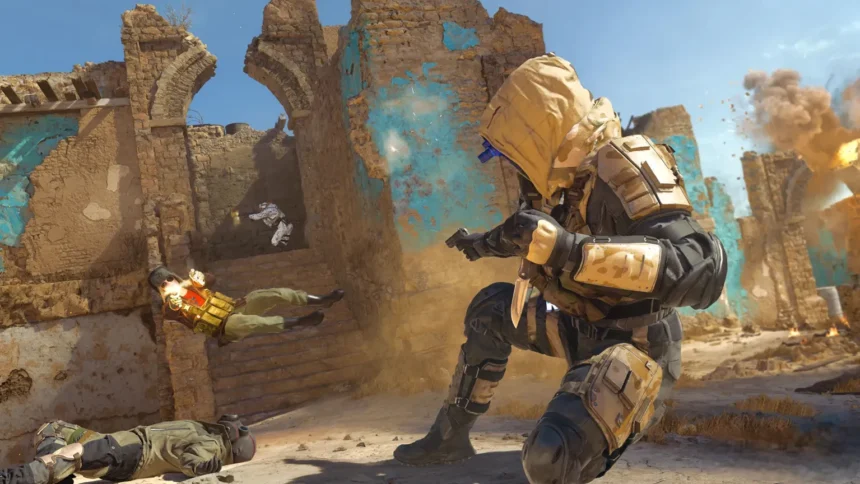
I still remember my first few weeks playing Call of Duty: Warzone. I’d drop in, grab a decent gun, maybe even get first shots… and still lose the fight. Every. Single. Time. It felt like everyone else had laser aim while I was just spraying and praying.
At one point I genuinely thought my reflexes were just bad. But after tweaking my settings, fixing a few habits, and actually understanding what I was doing wrong, everything changed. Same player, same setup, completely different results.
That’s the reality. Most Call of Duty beginner mistakes are stupidly simple. You don’t need insane mechanics or pro-level movement. You just need to stop doing the things that are quietly ruining your gameplay. In this guide, you’ll fix aim issues, movement habits, settings problems, and the exact reasons behind “why I keep losing COD”.
Ignoring Aim Fundamentals
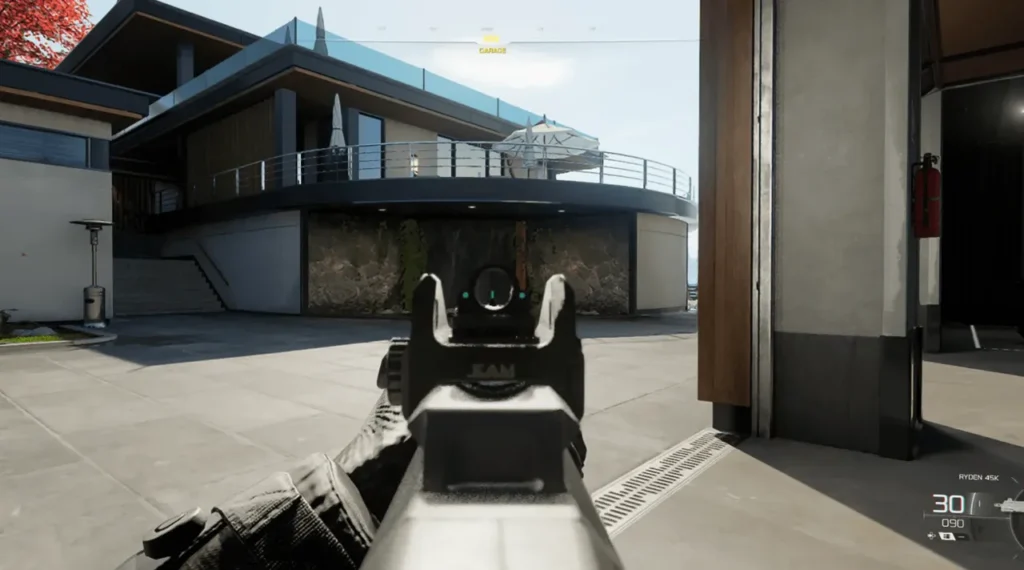
This is the biggest reason beginners struggle. Not movement, not settings, just raw aim.
Not practicing aim
When I started, I never practiced. I just queued matches and hoped I’d improve. That doesn’t work. You need repetition. Even 10 minutes in firing range before matches makes a difference.
A lot of aim guides emphasize “centering” and consistent practice as the foundation of improvement. Instead of jumping into chaos, spend time tracking targets, controlling recoil, and building muscle memory. That’s what actually makes your shots land.
Poor crosshair placement
This one changed my gameplay instantly. I used to run around with my crosshair pointing at the ground. So every fight started with me adjusting aim first, which meant I was always late.
Now I keep my crosshair at chest or head level while moving. That way, when an enemy appears, I’m already locked in. No panic adjustments needed. It sounds basic, but this alone fixes a huge chunk of COD mistakes beginners make.
Relying on luck instead of consistency
If your gunfights feel random, it’s because your aim is random. Spraying and hoping for a lucky hit is not a strategy.
Consistent players focus on controlled bursts and tracking. Even small improvements in consistency will make your fights feel easier. You stop hoping to win fights and start expecting to.
Using Wrong Sensitivity Settings
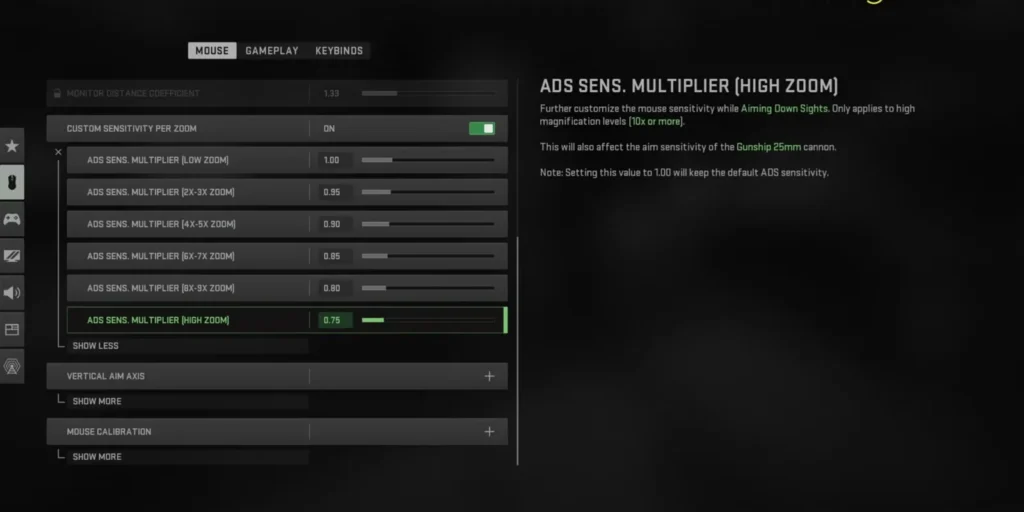
Your aim can be good, but bad settings will still ruin everything.
Sensitivity too high or too low
I used to copy pro settings blindly. Big mistake. My sensitivity was way too high, and I couldn’t track anyone.
Even official guides say sensitivity is one of the most important settings to get right. If it’s too high, you’ll over-aim. Too low, and you can’t react fast enough. You need a balance that feels natural for YOU.
Constantly changing settings
This is something I see all the time. Players change sensitivity every day hoping for instant improvement.
It actually makes things worse. Your brain never builds muscle memory. Stick to one setup for at least a few days and let your aim adapt. Improvement comes from consistency, not constant tweaking.
Not testing settings properly
Most players test settings in real matches, which is the worst place to do it.
Use practice modes or private matches. Focus on tracking and recoil control. Even small changes like ADS sensitivity or deadzone tweaks can massively affect your accuracy, so test properly instead of guessing.
Running Without Awareness
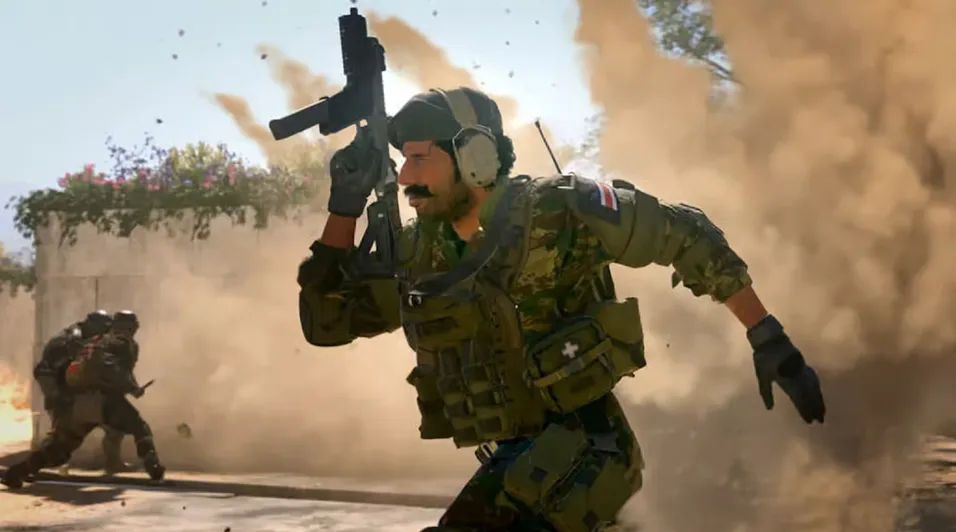
This is where most unnecessary deaths happen.
Sprinting blindly into open areas
I used to sprint everywhere like it was a race. That habit alone got me killed more than anything else.
When you sprint into open space, you can’t react quickly. You’re basically giving enemies a free kill. Slow down when entering dangerous areas. Move with intent, not panic.
Not checking corners
Corners are where most players sit. If you’re not checking them, you’re walking into death.
Now I pre-aim corners before entering rooms. It feels slower at first, but you survive way more fights. This is one of those common mistakes Warzone players don’t realize they’re making.
Ignoring minimap and sound cues
The minimap is literally free information. Gunshots, UAV pings, teammate fights, everything is there.
Good players constantly glance at it. Combine that with footsteps and audio cues, and you can predict enemies before you even see them. That’s when the game starts feeling easy.
Poor Positioning in Gunfights
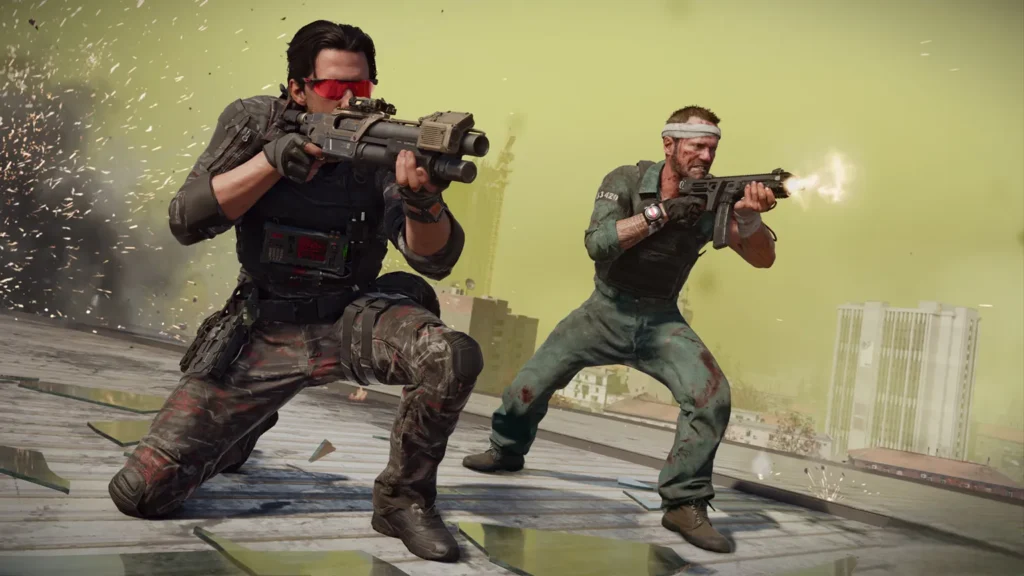
This is where average players lose fights they should win.
Fighting in the open
If you’re standing in the open, you’re dead. Simple.
I used to challenge fights without thinking about cover. Now I always ask myself, “Where’s my escape?” If you don’t have one, don’t take the fight.
Not using cover properly
Cover isn’t just hiding. It’s about peeking, shooting, and repositioning.
Instead of staying exposed, take quick peeks, deal damage, then move. This forces enemies to react while you stay safe. It’s a simple habit that massively improves survivability.
Taking unnecessary fights
Not every enemy needs to be challenged.
Sometimes disengaging is the smarter play. Beginners often chase every fight, which leads to bad positioning and easy deaths. Smart players pick fights they can win.
Overusing Sprint (Tactical Sprint Mistake)
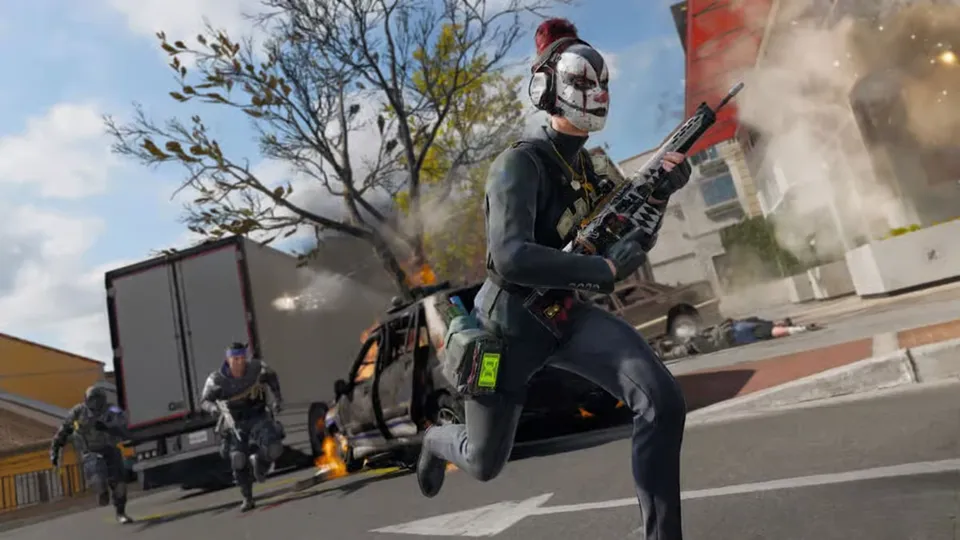
This one is subtle but deadly.
Sprint-to-fire delay explained
When you sprint, there’s a delay before you can shoot. That delay gets you killed in close fights.
If someone is already aiming and you’re sprinting, you lose. Every time.
When to sprint vs walk
Sprint for rotations, not for entering buildings or hot zones.
When you’re near enemies, walk or ADS. It gives you faster reaction time and better control. This one habit alone can drastically improve COD gameplay fast.
Safer movement habits
Think of movement as controlled, not chaotic.
Stop sprinting everywhere. Use cover, move carefully, and slow down near danger zones. The game becomes way more predictable when you do this.
Not Using the Right Weapons
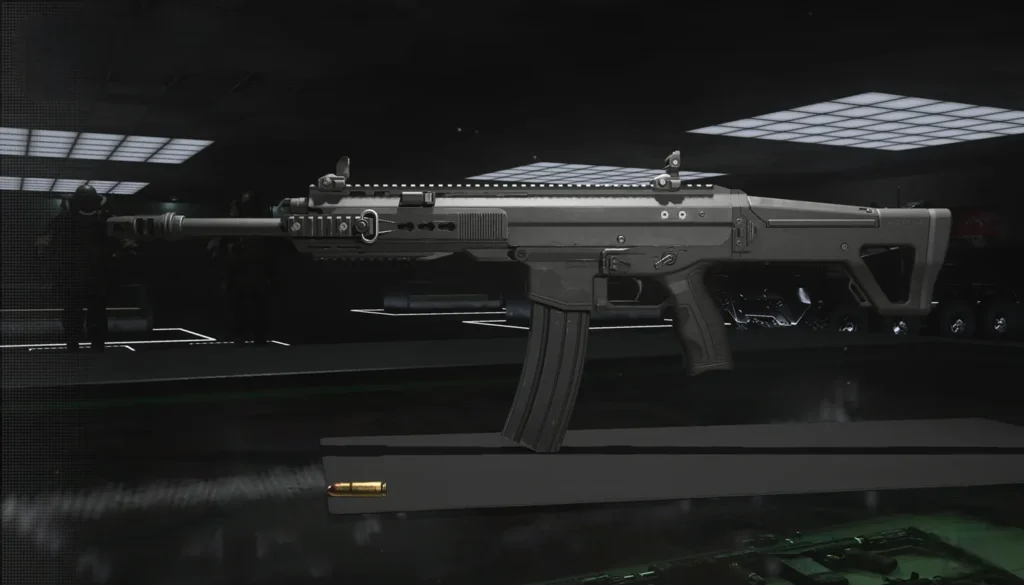
Your weapon choice can make the game feel easy or impossible.
Using high recoil weapons early
Beginners often pick guns that look cool but are hard to control.
High recoil weapons punish bad aim. Start with low recoil guns that are forgiving. Build confidence first, then move to harder weapons later.
Ignoring beginner-friendly guns
Some guns are just easier to use. Stable ARs and SMGs give you better control and consistency.
If you’re struggling, switch to something easier instead of forcing a difficult loadout. It’s a simple fix most beginners ignore.
Not understanding weapon roles
Every weapon has a purpose.
SMGs dominate close range. ARs are versatile. Snipers require precision. Using the wrong weapon in the wrong situation is one of the biggest COD tips for beginners you need to understand early.
Ignoring Map Knowledge
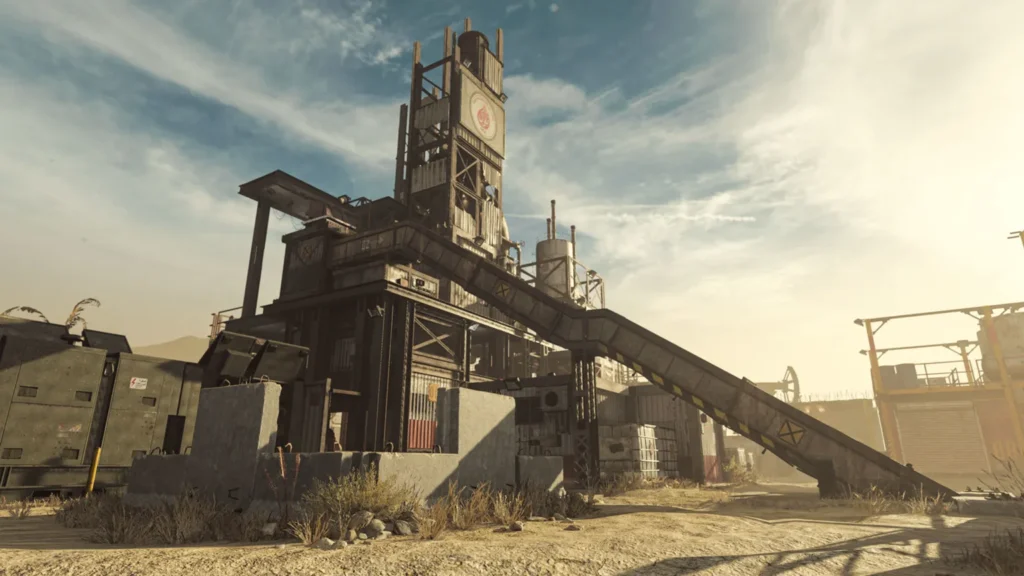
This is where good players separate themselves.
Learning common enemy routes
Players follow patterns. Drop zones, rotations, high-traffic areas.
Once you learn these routes, you start predicting fights instead of reacting to them. That’s when the game slows down in your favor.
Understanding spawn points
Spawns aren’t random. They follow logic based on team positions and map flow.
If you understand this, you can predict where enemies will appear. That gives you a massive advantage in positioning.
Using map awareness to predict fights
This is where everything connects.
Minimap, sound, positioning, all of it helps you predict fights before they happen. You’re not surprised anymore. You’re ready.
Panic Shooting in Gunfights
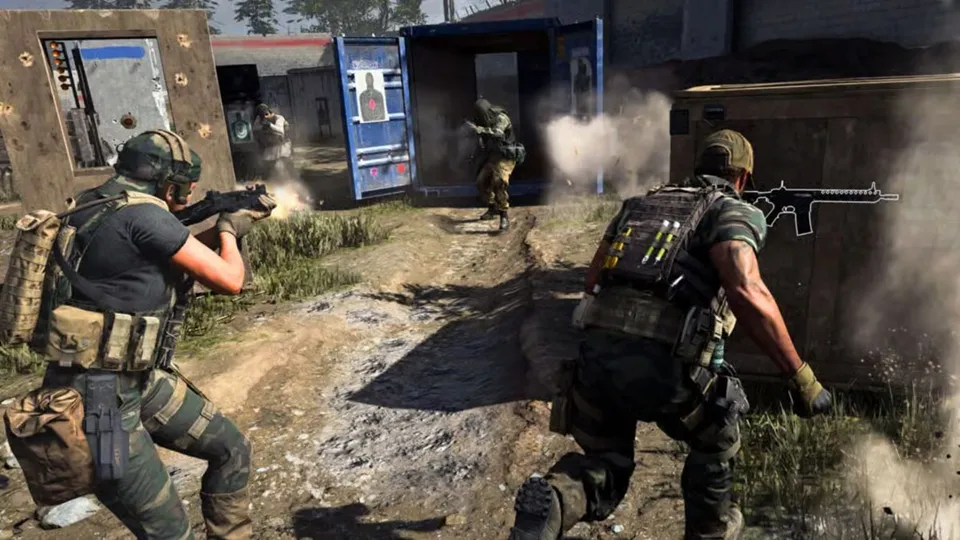
This used to be my biggest issue.
Spraying wildly
The moment I saw an enemy, I’d empty my entire mag.
Most shots missed. Now I focus on controlled fire. Even in panic situations, staying calm improves accuracy instantly.
Over-correcting aim
Small adjustments win fights. Big flicks lose them.
A lot of players fight their own aim by overcorrecting. Smooth tracking is way more effective than aggressive movements.
Not controlling recoil
Every gun has recoil. Learn it.
Spend time understanding how your weapon behaves. Once you control recoil, your shots become way more consistent.
Playing Without a Strategy
Running around randomly leads to inconsistent gameplay.
Not playing objective in game modes
Kills don’t always win games.
If you’re ignoring objectives, you’re playing wrong. Focus on the mode, not just your KD.
Chasing kills blindly
This is why many players ask, “why I keep losing COD”.
Chasing kills puts you in bad positions. You overextend, get third-partied, and die unnecessarily. Play smarter, not faster.
Lack of game sense
Game sense is understanding flow, timing, and positioning.
It comes from experience, but also from thinking about your decisions. Don’t just play. Think while playing.
Not Reviewing or Learning from Mistakes
This is why some players never improve.
Ignoring repeated mistakes
If you keep dying the same way, you’re not learning.
I used to die while sprinting into buildings constantly. Once I noticed it, I fixed it, and my deaths dropped instantly.
Not analyzing deaths
After every death, ask yourself one question: what went wrong?
Positioning? Aim? Awareness? Identifying the mistake is the first step to fixing it.
Importance of small adjustments
You don’t need massive changes.
Small tweaks like slowing down movement, adjusting sensitivity, or improving crosshair placement can completely change your performance over time.
Why do I keep losing gunfights in Call of Duty?
Because of poor aim fundamentals, bad positioning, and lack of awareness. Fix these first.
What is the biggest mistake beginners make in COD?
Ignoring basics like aim and positioning while focusing on advanced movement.
How can I improve faster in Call of Duty?
Practice aim, fix mistakes, and focus on consistency instead of playing mindlessly.
Are settings really that important in COD?
Yes. Sensitivity directly affects aim and control, making it one of the most critical factors.
How do I stop dying so much in Warzone?
Stop sprinting blindly, use cover, check corners, and improve awareness.
Conclusion / Final Verdict
Most Call of Duty beginner mistakes are simple. That’s the reality. You don’t need insane skills to improve. You just need to stop doing the things that are holding you back. If you want to improve COD gameplay fast, focus on basics first. Aim, positioning, and awareness. These three alone will change everything.
Don’t try to fix everything at once. Pick 2–3 mistakes, work on them, and build from there.
At the end of the day, getting better isn’t about doing more. It’s about doing less of the wrong things.