

Google’s annual Android update is about to land, and Android 17 looks like one of the most well-rounded releases in years. Rather than chasing visual drama, this version doubles down on what matters: smoother multitasking, smarter AI, tighter privacy, and a mountain of quality-of-life fixes. Here’s everything confirmed so far.
What Is Android 17?
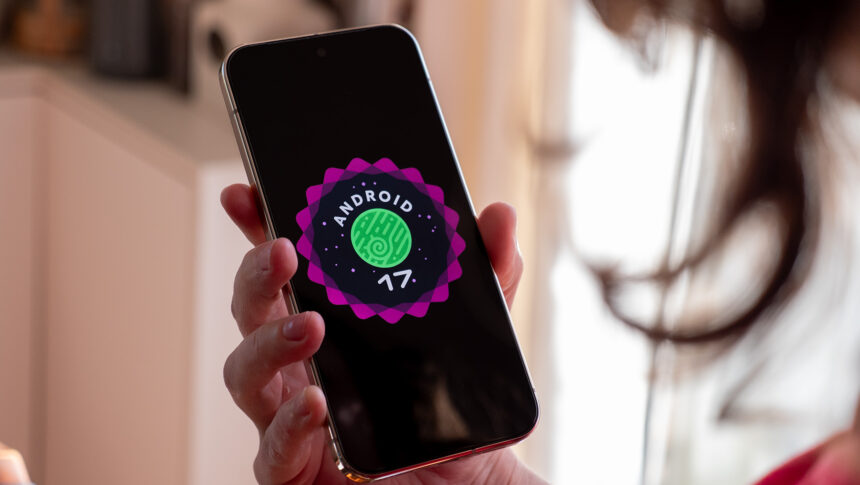
Android 17 is Google’s next major Android operating system update for smartphones, tablets, foldables, cars, and other Android-powered devices.
As of May 13, 2026, Android 17 is in beta testing. Google’s official Android developer page says Android 17 Beta 4 is available, while Google’s developer blog says Beta 4 is the last scheduled beta and a key platform-stability milestone before the stable release.
In simple words, Android 17 is the version after Android 16. It focuses on:
- Gemini AI integration
- AI-powered widgets
- Better sharing features
- Creator tools for Instagram and video editing
- Improved privacy and security
- Better Android Auto experience
- More polished interface and stability updates
Google has also announced new creator-focused Android 17 features, including Screen Reactions, better Instagram photo/video quality, AI video enhancement, background audio cleanup, and Adobe Premiere support for Android tablets.
For security, Android 17 expands Advanced Protection by restricting accessibility-service access for apps that are not labeled as accessibility tools, adding scam detection for chat notifications, and improving enterprise protection later in the year.
Android 17 release date
For the first time in years, Google skipped Developer Previews entirely, jumping straight to public betas via the Canary channel. The cadence has been brisk and we’re nearly at the finish line.
February 14, 2026
- Beta 1 — First look
- Initial beta opened the floodgates. Core feature set previewed.
February 27, 2026
- Beta 2 — Refinements
- Bug fixes and API stabilisation. Developers start adapting apps.
March 28, 2026
- Beta 3 — Platform stability
- Platform APIs locked. This is where serious compatibility testing begins.
April 16, 2026
- Beta 4 — Final beta ✓ Current
- Last scheduled beta. App compatibility and stability hardening before launch.
June / July 2026 (Expected)
- Stable Release
- Pixel devices first. OEM rollout expected through October 2026.
Android 17 Key Features
Android 17 isn’t a visual overhaul – It’s a precision upgrade. Google has focussed on fixing frustrations, advancing AI integration, and giving power users more control than ever.
- Floating App Bubbles: Multitasking gets a serious upgrade with floating windows and app bubbles — finally bringing true windowed app handling to Android.
- Redesigned Screen Recorder: The built-in screen recorder gets a complete overhaul with more options, better controls, and quality improvements.
- Material 3 Expressive: Continued Material 3 refinements, auto-themed icons, expanded dark theme options, new blur effects, and lock screen widgets.
- App Locking: Lock individual apps behind biometric authentication — a long-requested privacy feature finally baked into the OS natively.
- Smarter Charging: Priority and faster charging modes, background audio changes, and wellbeing tools including “Pause Point” for app time limits.
- Camera Improvements: Better low-light and HDR support, improved camera extensions API for third-party apps, and desktop mode elements.
- Edge-to-Edge Rendering: Improved edge-to-edge display rendering, hidden app labels, and better spatial consistency across system UI.
- Privacy & Security: Enhanced protections and significant under-the-hood behaviour changes that harden the OS against potential exploits.
AI & Gemini Integration
Arguably the most anticipated dimension of Android 17, the Gemini Intelligence layer gets meaningfully more proactive. At The Android Show on May 12, 2026, Google showcased what’s coming:
Google is shipping proactive Gemini features alongside Android 17, including:
- Task automation: Gemini can complete multi-step tasks across apps without manual navigation
- Custom AI widgets: Intelligent widgets that surface timely, contextual information on your home screen
- 3D emojis & Screen Reactions: Expressive, animated elements integrated into communication
- Deeper cross-app intelligence: Gemini understands context from emails, calendar, and messaging to proactively assist
Eligible Devices
As always, Pixel phones are first in line, with the update landing on supported handsets from Pixel 6 all the way up to the Pixel 10 series. Other manufacturers will follow at their own pace.
Google Pixel 6 – Pixel 10 series
Including all A-series models where supported. Beta available now via the Android Beta Program.
Samsung Galaxy S23 / S24 / S25 / S26
Flagships expected to receive Android 17, schedule determined by Samsung’s One UI update roadmap.
Xiaomi, OnePlus, OPPO & others
Recent flagships from major OEMs are expected to follow. Timelines vary — check your manufacturer’s update policy.
The Verdict So Far
Android 17 isn’t trying to reinvent the wheel — and that’s precisely why it’s exciting. After years of radical redesigns that sometimes left users disoriented, Google is delivering a release that feels thoughtfully composed: meaningful multitasking improvements, AI that actually does useful things proactively, privacy controls that were frankly overdue, and a visual polish pass that makes the whole OS feel more cohesive.
The addition of floating app bubbles alone will change how a lot of people use their phones day-to-day. Pair that with native app locking, smarter charging, Gemini Intelligence, and a redesigned screen recorder, and you’ve got an update worth looking forward to even if your device isn’t a Pixel.
With Beta 4 now out and the stable release expected in just a matter of weeks, now is a great time to either enrol in the beta on a secondary Pixel or simply keep an eye on your OEM’s update announcements.